
Each year, we revisit a list of statements we informally call “The Academy Method” — things we believe are critically important to the Academy experience. It is not a complete list, but rather some of the most important reminders about how we do what we do.
The Academy Method
Academic & arts are co-Curricular
Neither is more (nor less) important than the other; the authentic, disciplined immersion in each creates a powerful reciprocal relationship between the two. Environment matters. Four decades ago, The Academy’s first students built a community that was safe, inclusive, welcoming, and supportive — a community where students were united by their common sense of purpose, passion, and pursuit of excellence. In the decades since, one of our primary goals has been to protect that culture, and as a result, our students truly want to be here.
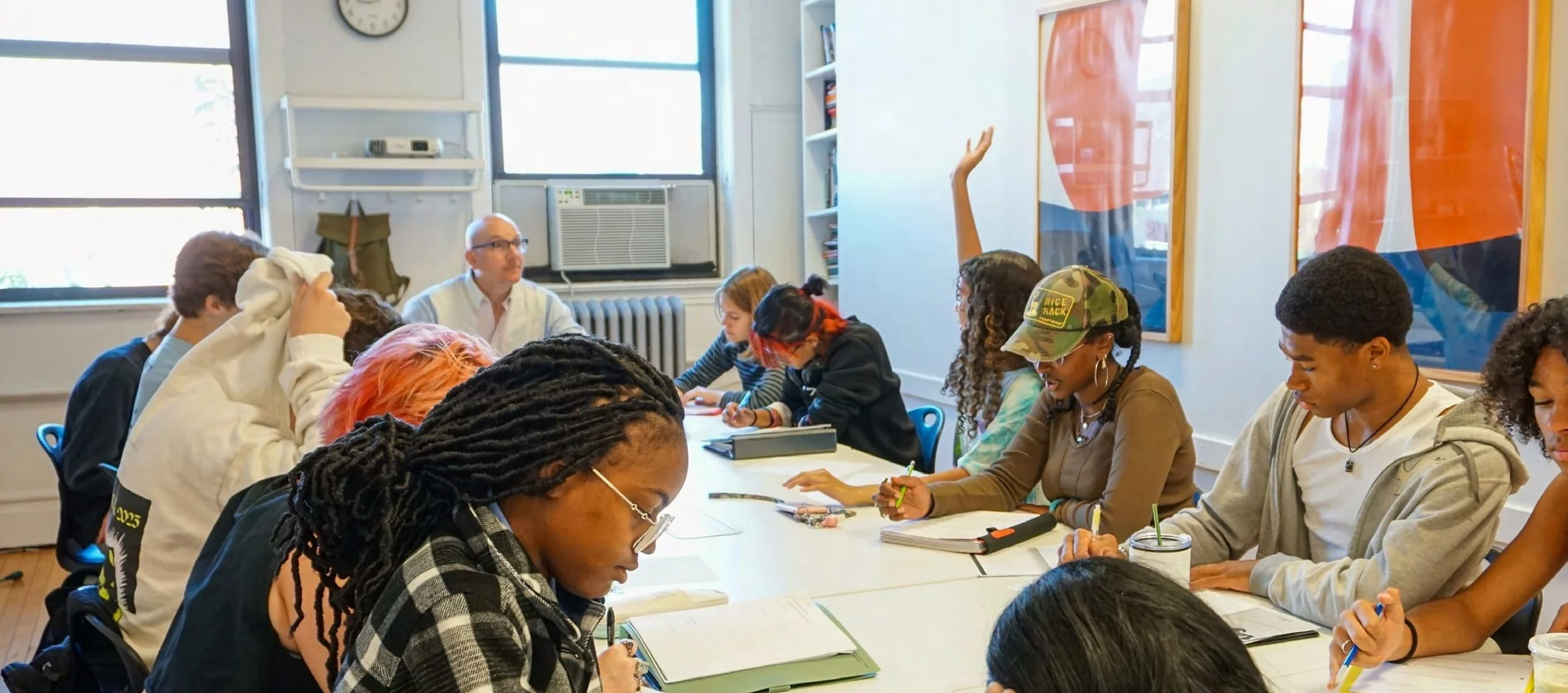
Hire experts. Let Them lead.
We believe that placing decision-making as close to the classroom as possible dramatically increases the teacher’s ability to create transformative experiences for their students. Our teachers’ abilities to change students’ lives are not compromised by geographically (and philosophically) distant administrators, or powerful standardized testing corporations.
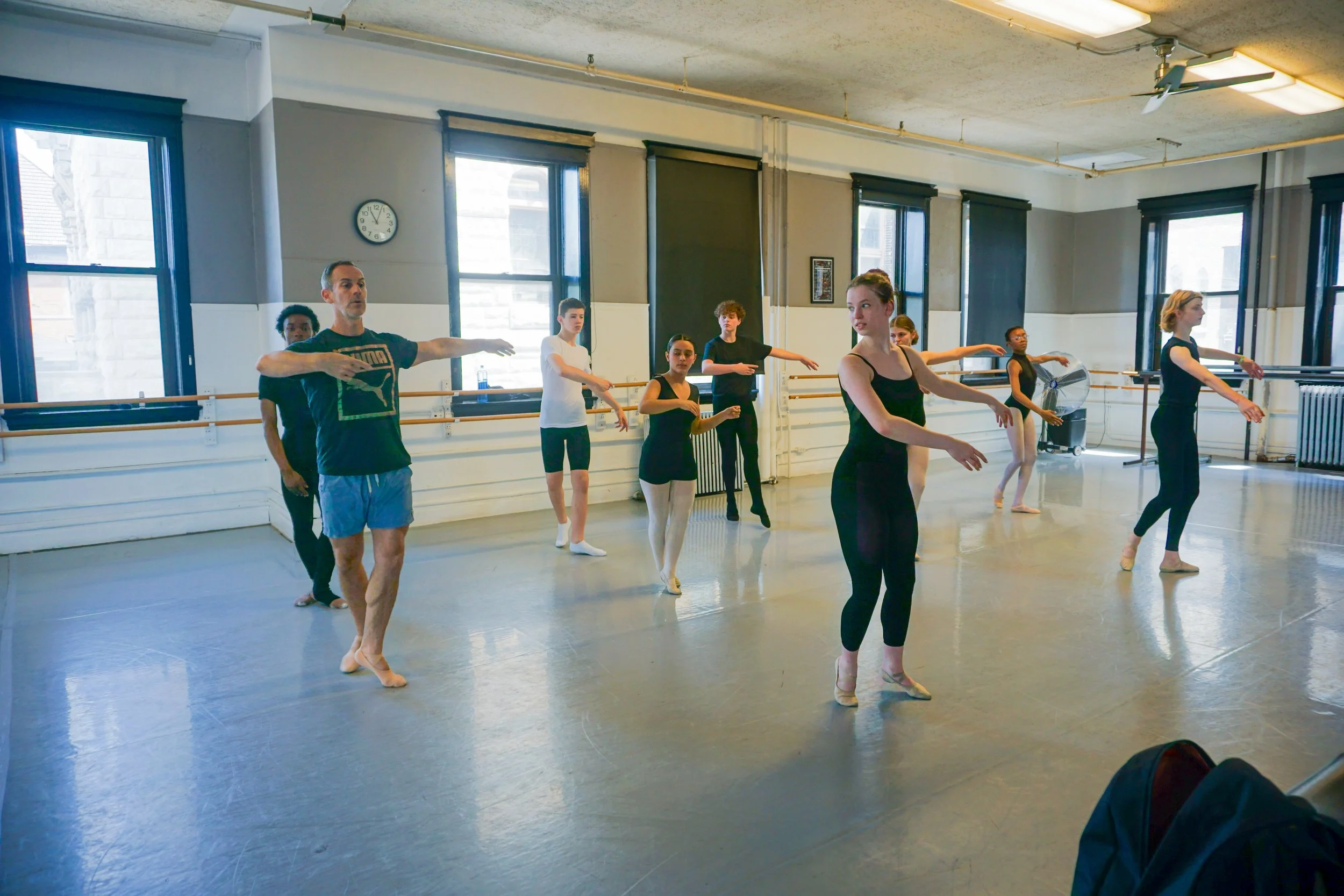
Cultivate relationships.
No one is anonymous at The Academy, partly because we are a small school, and partly because we value the potential for mentorship and human relationships at every level: from upperclassmen to lowerclassmen, from teachers to students, and across all levels of the staff and administration.
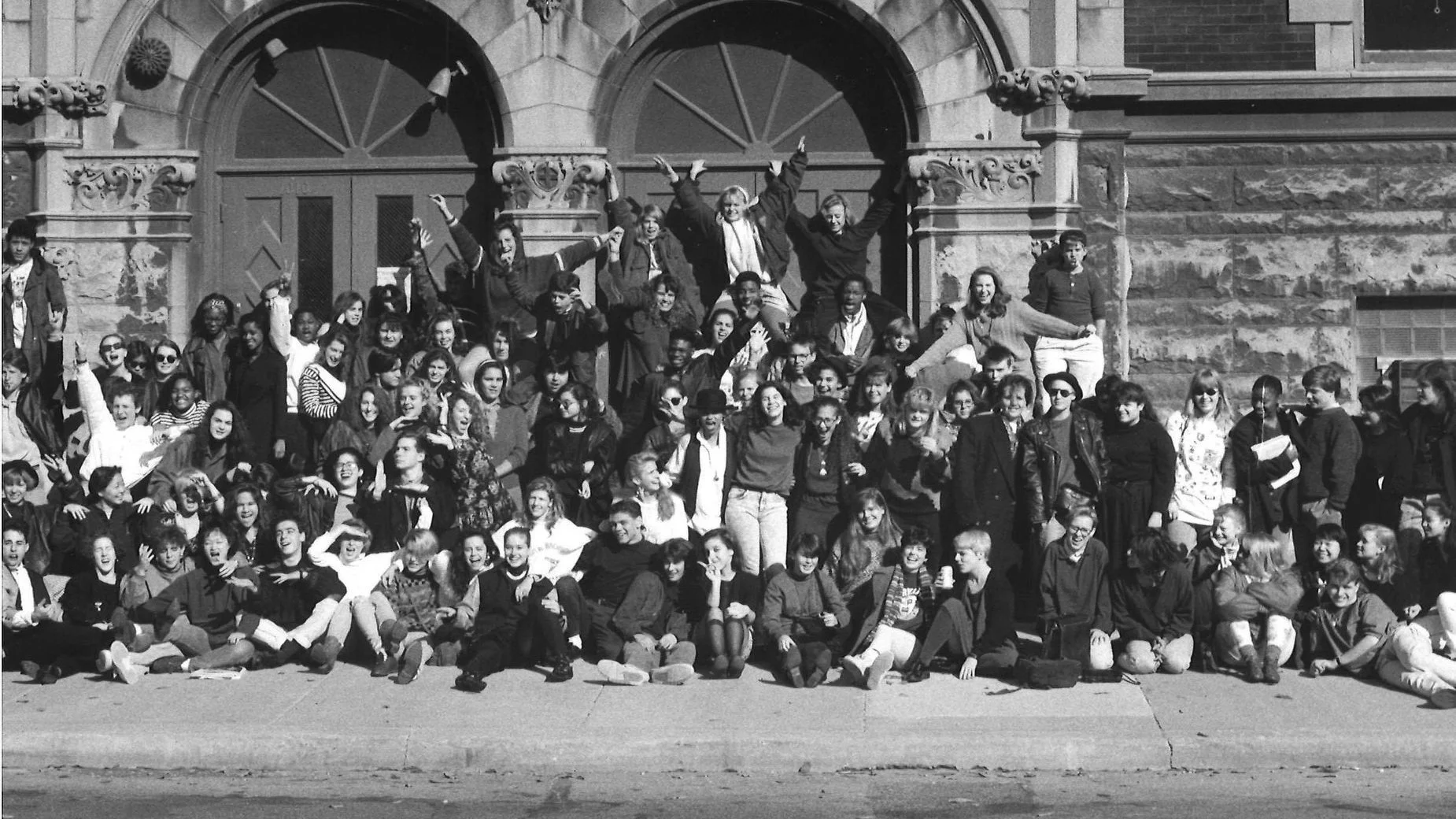
Community matters.
Expose young people to challenging material, high expectations, and critical feedback. We believe that young people are capable of so much more than they are typically given credit for when they are exposed to the combination of these elements. There are no sanitized-for-school novels here, students routinely do jaw-dropping work, and even our most advanced students are used to receiving and integrating critical feedback.
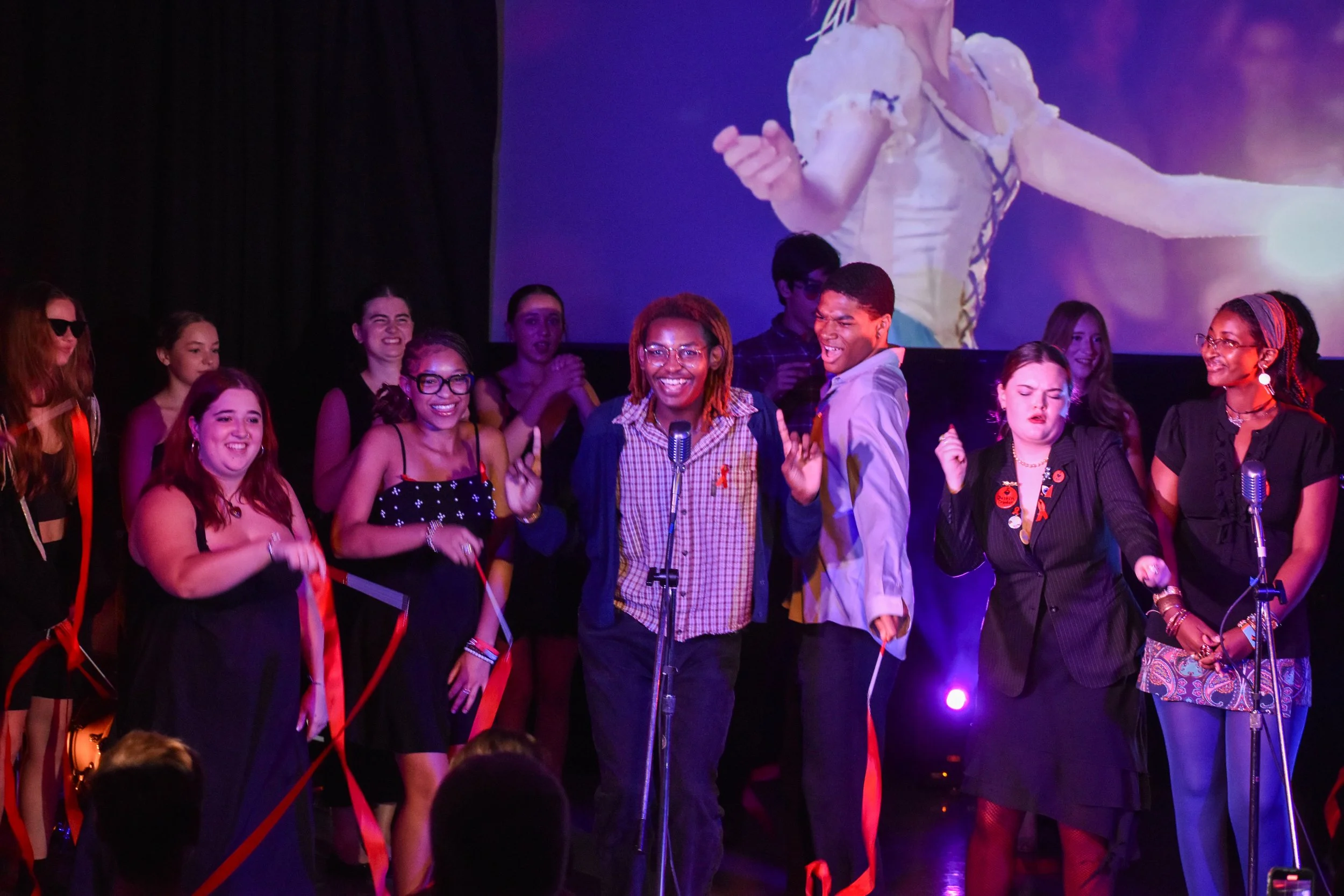
Cultivate individual responsibility.
A small school does not need to create long lists of rules to prescribe and control every element of a student’s behavior. While we of course have policies and rules, one theme guides student behavior more than anything else: At all times, work hard to be sensitive enough to your environment to know what the right thing to do is. Then, do that thing.
Process matters. So does the product.
We expect our students to work incredibly hard, seek and embrace the discomfort of receiving and integrating critical feedback, and get excellent results.
